
Team Techsaga
Gain valuable insights and stay updated with the latest innovations through our engaging blog. Explore trends, technology advancements, and expert opinions to navigate the ever-evolving world of IT.
Digital Marketing in 2026: Trends and Strategies
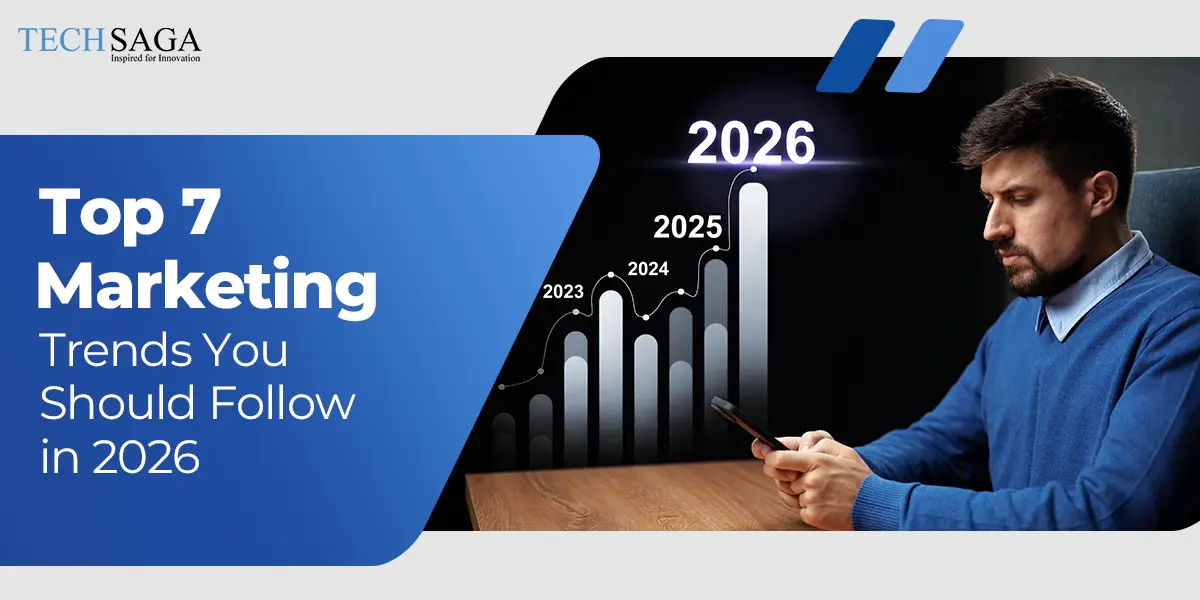
Digital marketing has evolved so much in the last year, but as we are entering 2026, major shifts are happening. Businesses are no longer competing only for revenue but also for trust, relevance, and long-term customer relationships.
In 2026, digital marketing is smarter, more personalized, and deeply driven by data and artificial intelligence. This blog explores the key aspects of digital marketing in 2026. Find out if you or your company is following these latest strategies or not.
AI might be the best thing happened to Digital Marketing
The growth after AI entered is vast and witnessed by almost every industry. So it would be quite a wrong decision to ignore the fact that AI is of great help if used strategically.
AI-Driven Marketing for Better ROI
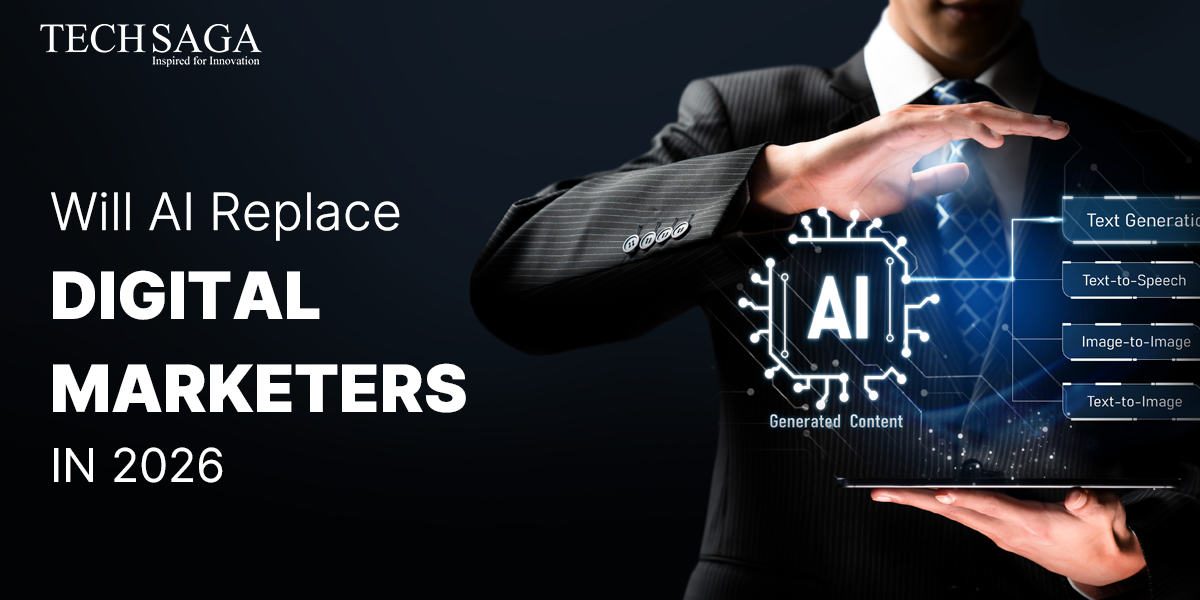
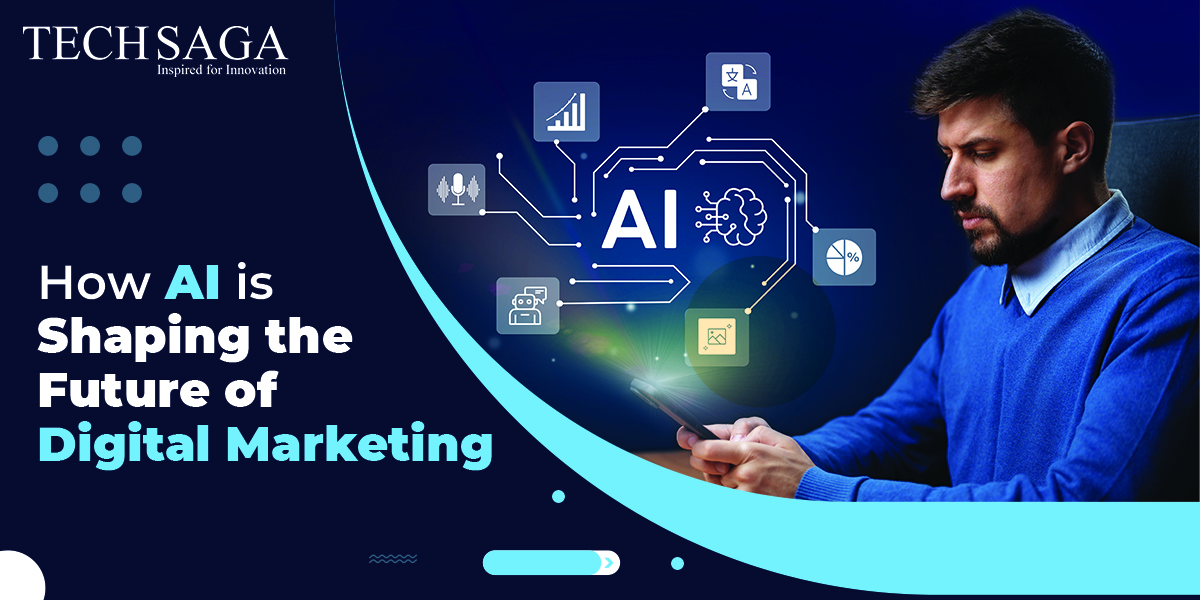
By 2026, artificial intelligence will become very important to every digital marketing function. Apart from using AI for automation, it now plays a major role in decision-making, strategy development, and performance optimization based on the stored information.
Marketers now use AI to:
- Generate and optimize content at scale
- Analyze customer behavior patterns
- Predict purchase intent and churn
- Automate advertising bids and targeting
- Improve customer experience through chatbots and virtual assistants
As you can see, this is more like a step-by-step process to enhance customer-targeted results. Therefore, AI helps brands save a lot of time by adjusting campaigns in real-time based on performance to get better ROI.
Search Marketing in the Age of AI and Voice
Search engines in 2026 have changed a lot from those of the past. The way a user now discovers their answers has changed. Now it is more backed up by AI-driven search results, voice search, and direct answers.
Key changes in search marketing include:
- Focusing more on answer-based search results
- Improving results for voice and conversational queries
- Click-through rates for generic content have declined
To remain visible, brands are now focusing on Answer Engine Optimization (AEO), providing high-quality and authoritative content. In addition to this, structured data and clear formatting have become crucial steps because everyone expects a clear answer for their queries that demonstrates experience and expertise.
Although there is a lot of stigma around AI taking over all the work, what’s more important is to understand that the most successful brands use AI to enhance human creativity, not replace it.
The New Standard is to Personalise the Results
In 2026, customers expect personalized experiences across every digital presence. Basic categorization based on age or location is so outdated now.
Modern personalization consists of
- Dynamic website content tailored to individual users
- Personalized email, SMS, and WhatsApp messaging
- Customized product recommendations
- Behavior-based retargeting
Consumers connect more with brands that truly understand what they like and need. When the right message reaches them at the right time, it feels helpful and not promotional. This kind of personalization not only makes customers happier but also encourages them to take action and stay loyal to the brand over time.
However, personalization must be handled responsibly. Transparency about data usage and respecting user consent are essential for maintaining trust.
Social Media Evolves into a Commerce Platform
Content consumption is the new habit incorporated into everyone’s life, and you can’t deny this fact. In fact, when it comes to digital marketing, companies make great use of this. So how do they do that?
Short-Form, Video, and Interactive Content Dominate
The pattern we see here is that audiences prefer content that is easy to consume and interactive.
Top-performing content formats include:
- Short-form videos (Reels, Shorts, TikTok-style videos)
- Interactive polls, quizzes, and surveys
- Carousels and visual storytelling
- Live videos and behind-the-scenes content
Delivering content through video formats is the new norm now. It attracts genuine engagement, increases brand awareness, and leads to conversions. It’s the best strategic way to leave an impression in someone’s head because combined audio and visual effects settle in memory.
Social Media Evolves into a Commerce Platform
What was once considered a leisure platform is completely turning into a digital marketplace. Social media platforms have become the place for sales and influence.
Key developments include:
- In-app shopping and checkout
- Influencer-led product launches
- User-generated content driving purchase decisions
- Advertisements with personal storytelling
Moreover, the consumer buys products recommended by someone they know rather than traditional ads. As a result, brands are collaborating with micro- and nano-influencers who offer authenticity and cater to niche audiences.
Apart from brand visibility, these platforms also help in generating revenue in generous amounts.
Privacy and Ethics always come first
As we witness cyber crime co-existing with advanced technology, data privacy will remain the biggest concern for every consumer. In these upcoming years, businesses must put a lot into creating a privacy-prioritized digital space.
A few things to focus more on
- Reduced reliance on third-party cookies
- Increased use of first-party data
- Stricter compliance with global data regulations
When customers see brands respecting their privacy, it gets a lot easier for us as consumers to trust them. Eventually, to build trust, every business has to follow the ethical way of marketing.
Marketing across all Platforms
You must have seen the most successful brands having a vast digital presence. Because it is not necessarily important that one platform contains all the customers. The newer brands try to be present across multiple platforms—websites, social media, email, apps, and messaging platforms. And that is omnipresent marketing trend for you.
Successful omnichannel strategies focus on:
- Unified customer data
- Personalised, consistent brand messaging
- Smooth transitions between channels
These strategies increase familiarities within the users, no matter where they first got to know you.
Performance Marketing Becomes More Intelligent
With the rise of advanced marketing, we can easily predict the future of performance marketing. And no, it is not just going to be clicks and impressions. With more data than ever and deep searching technologies, performance marketing is going to be big now.
Key performance metrics include:
- Customer lifetime value (CLV)
- Return on ad spend (ROAS)
- Engagement quality
- Conversion intent
Future Outlook for Businesses
Digital marketing in 2026 will get even smarter, more human, and more customer-centric than ever before. To stay competitive, businesses should keep investing heavily in AI-driven tools. They should also focus on personalization and user experience to make the user feel friendly with technology. To decrease the risk factors around cyber safety, businesses must prioritize creating a safe space for users.
Conclusion
In the last decade, a lot has changed, affecting all aspects of running a business. Digital marketing is also welcoming these new shifts by focusing more on personalization and user experience. So as we move towards a more tech-driven world, connecting with consumers still remains the most important aspect of marketing.
Why Choose Techsaga?
We at Techsaga deeply understand the value of shifting technologies with time. The best way to grow digitally is to combine technology, strategy, and transparency. Techsaga helps businesses achieve their goals for long-term success.